

01
Understanding Probate
Probate can be complex. As your probate lawyer, I can simplify the process, ensuring efficient estate settlement and adherence to your loved one’s wishes, providing peace of mind.
Navigating the probate process: guidance and support.
The probate process is a legal procedure where a deceased person’s estate is administered and distributed under court supervision. Its primary purpose is to validate the deceased’s will, if one exists, and ensure that their assets are distributed according to their wishes, or in accordance with state laws if there is no will. Probate also involves settling any outstanding debts and taxes of the deceased. This process is necessary when a person passes away with property in their name alone or when the instructions for distributing assets need legal clarification. Probate provides a systematic method to handle the deceased’s affairs, offering legal certainty to the beneficiaries and ensuring a fair and lawful distribution of the estate. A Florida probate lawyer can guide you through this stressful process.

“I can rest assured that my dad is taken care of now which is a huge weight off my shoulders.”
“They made both me and my elderly, disabled aunt feel completely comfortable and at ease during what could have been a very stressful estate planning process.”
“Amanda is one of the kindest human beings I’ve ever interacted with. Her services are so personalized and truly take the stress out of the process.”
“When my father passed away Amanda sat with my mom and I and took care of everything.”
“My family is in good hands, and that helps me sleep well at night.”
“…the firm consists of normal people who are available to talk to clients and believe in what they do.”
“Their attention to detail, efficiency and compassion throughout the entire process made me feel very comfortable.”
“Amanda is a lawyer you can actually talk to.”
Probate can be complex. As your probate lawyer, I can simplify the process, ensuring efficient estate settlement and adherence to your loved one’s wishes, providing peace of mind.
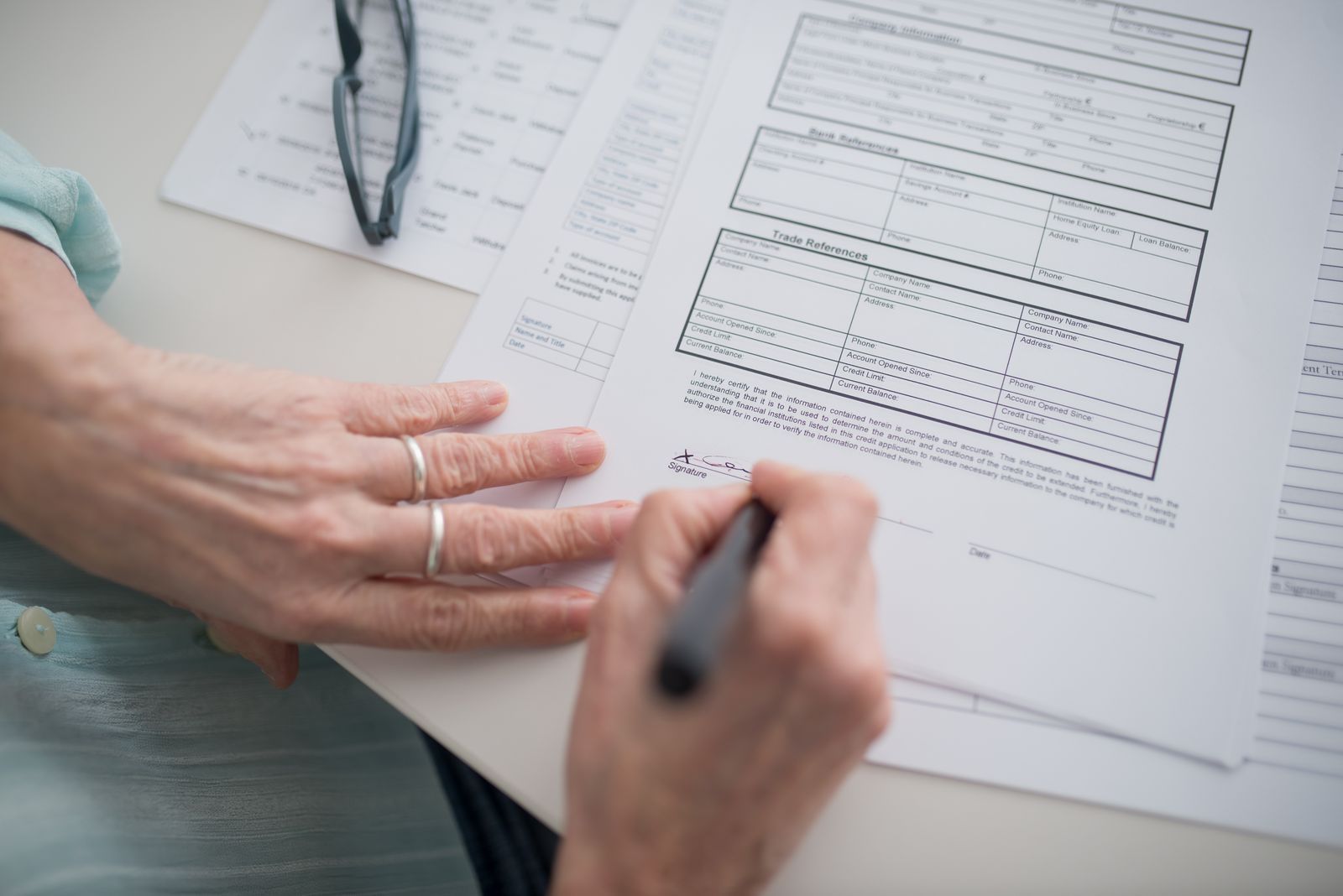
Ensuring a will’s validity is crucial in probate. I offer legal support to authenticate wills, safeguarding the true intent of the estate and minimizing disputes.

I provide comprehensive estate administration services during probate, managing all aspects efficiently, from asset distribution to debt settlement, with utmost care and diligence.

In probate disputes, I stand as your advocate, defending your rights and interests. My work in probate litigation aims to resolve conflicts swiftly and fairly.
“Amanda and Faye are incredible. Their attention to detail, efficiency and compassion throughout the entire process made me feel very comfortable. I would recommend them to anyone for probate or elder law in the future.”
The probate process is a legal procedure where a deceased person’s estate is administered and distributed under court supervision. Its primary purpose is to validate the deceased’s will, if one exists, and ensure that their assets are distributed according to their wishes, or in accordance with state laws if there is no will. Probate also involves settling any outstanding debts and taxes of the deceased. This process is necessary when a person passes away with property in their name alone or when the instructions for distributing assets need legal clarification. Probate provides a systematic method to handle the deceased’s affairs, offering legal certainty to the beneficiaries and ensuring a fair and lawful distribution of the estate.
The probate court serves a vital role in overseeing the fair and lawful distribution of a deceased person’s assets and the settling of their debts. This court authenticates the deceased’s will, if present, appoints an executor or administrator for the estate, and ensures that all outstanding debts, taxes, and expenses are paid before distributing the remaining assets to the rightful beneficiaries. The probate court’s oversight provides a structured legal framework to resolve any disputes and enforce adherence to the deceased’s wishes or state laws, ensuring an orderly transfer of the estate.
The key stages of the probate process include:
Validating the Will: In probate court, a will is validated through a process called “probate,” where the court examines the will to confirm it is legally valid and reflects the true intentions of the deceased. This involves verifying that the will was created without undue influence or coercion, and that it adheres to state laws, including being properly witnessed.
If there is no will (a situation known as dying “intestate”), the probate court intervenes to distribute the deceased’s assets according to state intestacy laws. These laws typically prioritize spouses, children, and other close relatives in a predefined order, which may not always align with the deceased’s unexpressed wishes. Without a will, the process can become more complex and time-consuming, often leading to increased legal fees and potential familial disputes over the distribution of assets.
Estate Administration Duties: The executor (named in a will) or administrator (appointed by the court when there is no will) has significant responsibilities in managing and distributing an estate. Their duties include gathering and safeguarding the deceased’s assets, paying off debts and taxes from the estate, and ensuring the proper distribution of the remaining assets to the rightful beneficiaries as per the will or state laws. They must also keep detailed records of all transactions and may need to file estate tax returns. The executor or administrator acts as a fiduciary, meaning they are legally obligated to act in the best interests of the estate and its beneficiaries, managing everything with care, honesty, and prudence.
Dealing with Debts and Taxes: Before distributing the remaining assets of an estate, the executor or administrator must first settle any outstanding debts and taxes. This process begins with identifying and notifying all creditors of the deceased, allowing them to make claims against the estate for any owed amounts. These debts might include medical bills, credit card debts, loans, and other obligations. After verifying these claims, the executor pays them from the estate’s assets. They are also responsible for filing the deceased’s final income tax returns and paying any estate taxes due. Only after all debts and taxes have been paid can the executor distribute the remaining assets to the beneficiaries as directed in the will or, if there’s no will, according to state intestacy laws. This orderly process ensures that all legal and financial obligations are fulfilled before the estate is closed.
Typical challenges in the probate process include will contests, disputes among beneficiaries, and situations where there is no will. Will contests can arise when someone questions the validity of the will, possibly due to concerns about the deceased’s mental capacity, undue influence, or improper execution of the document. Disputes among beneficiaries often occur over the interpretation of the will’s terms or the perceived fairness of asset distribution. These conflicts can lead to prolonged legal battles and strained family relationships. The absence of a will, or intestacy, poses its own set of challenges, as the estate distribution then follows state laws, which may not align with the deceased’s unexpressed wishes, potentially leading to disagreements among heirs. Each of these scenarios adds complexity to the probate process and can significantly delay the settlement of the estate.
To make the probate process smoother, consider these tips:
Following these steps can significantly contribute to a more efficient and less stressful probate process.
Professional guidance in probate matters is crucial for simplifying and effectively navigating the complex legal process. Probate attorneys provide invaluable assistance by interpreting the law, handling paperwork, and ensuring compliance with court procedures. They offer strategic advice to resolve disputes, validate wills, and manage estate administration tasks, thereby reducing the risk of errors and delays. Their experience can be particularly beneficial in complex scenarios involving large estates, disputes among beneficiaries, or contested wills. By leveraging their knowledge and experience, legal professionals can streamline the probate process, minimize stress for executors and beneficiaries, and work toward a fair and efficient resolution of the estate.
Settling a loved one's estate is a lot to take on while you are grieving. As an elder law attorney in Odessa, Amanda Kania helps families and personal representatives from Trinity, Land O' Lakes, Lutz, Westchase, Citrus Park, and Tampa understand each step of Florida probate, from the first filing through closing the estate.

Amanda Kania is the founder and managing attorney of Kania Law Offices PLLC, where she focuses on guardianship, elder law, probate and incapacity planning for clients across Florida.

Getting started is easy. Give us a call or send us a message, and we will set up a convenient time to meet with you and discuss your situation.
(813) 535-7848